
Why Professional Interpreters for the Deaf are Essential in Healthcare Settings


Enhancing Communication in Healthcare
In healthcare settings, clear communication is crucial for delivering effective care. For Deaf patients, this means having access to qualified professional interpreters who can bridge the communication gap between them and their healthcare providers. The presence of skilled interpreters ensures that Deaf patients receive the same level of care as hearing patients, avoiding misunderstandings and potential medical errors.
Ensuring Accurate Information Exchange
Professional interpreters for the Deaf are trained to accurately convey medical information. They understand the nuances of both sign language and medical terminology, which allows them to facilitate conversations with precision. This ensures that patients fully understand their diagnosis, treatment options, and any instructions they need to follow.
Inaccurate interpretation can lead to serious consequences, such as incorrect medication dosages or the misunderstanding of medical advice. Therefore, having a certified interpreter is not just beneficial but essential to patient safety.
Building Trust and Comfort
Trust is a fundamental component of the patient-provider relationship. For Deaf patients, having an interpreter who can effectively communicate their needs and concerns helps build this trust. It makes patients feel more comfortable and respected, knowing that their communication needs are being met.

When patients feel at ease, they are more likely to engage in open dialogue with their healthcare providers. This openness can lead to better health outcomes, as patients are more inclined to share important information about their symptoms and medical history.
Legal and Ethical Obligations
Healthcare providers have both legal and ethical obligations to provide accessible communication for Deaf patients. Laws such as the Americans with Disabilities Act (ADA) mandate that healthcare facilities offer reasonable accommodations, including sign language interpreters.
- Ensures compliance with legal standards
- Upholds ethical responsibility to provide equitable care
- Promotes inclusivity and diversity in healthcare
Supporting Diverse Communication Needs
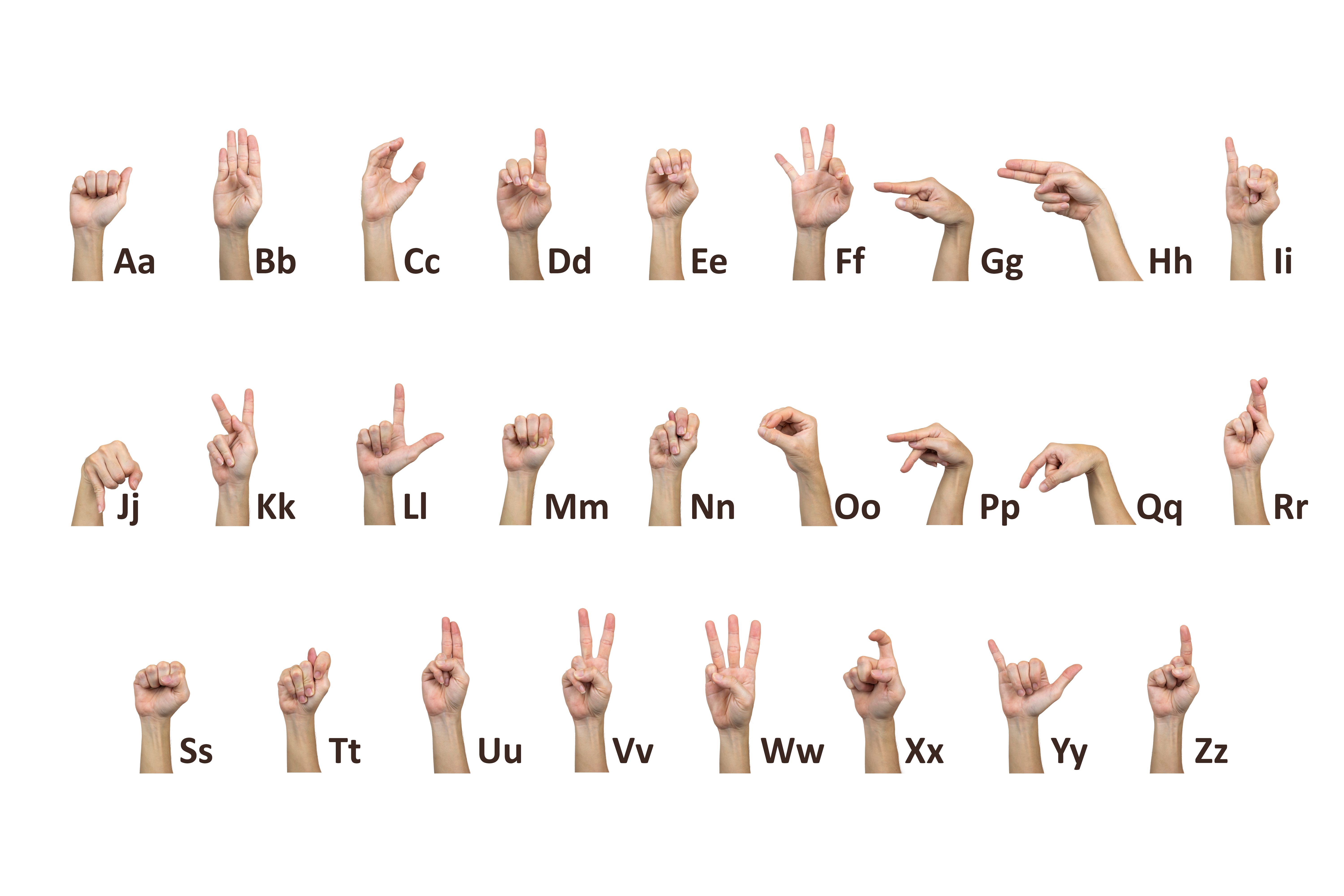
Deaf patients are a diverse group with varying levels of hearing and communication preferences. Some may use American Sign Language (ASL), while others might rely on different forms of communication. Professional interpreters are skilled in adapting to these diverse needs, ensuring that every patient receives personalized care.

This adaptability is vital in creating an inclusive healthcare environment where all patients feel valued and understood, regardless of their communication style.
Conclusion
The role of professional interpreters for the Deaf in healthcare settings is indispensable. They not only facilitate effective communication but also ensure that Deaf patients receive safe, respectful, and equitable care. As healthcare providers continue to strive for inclusivity, the demand for skilled interpreters will remain a critical component of patient-centered care.